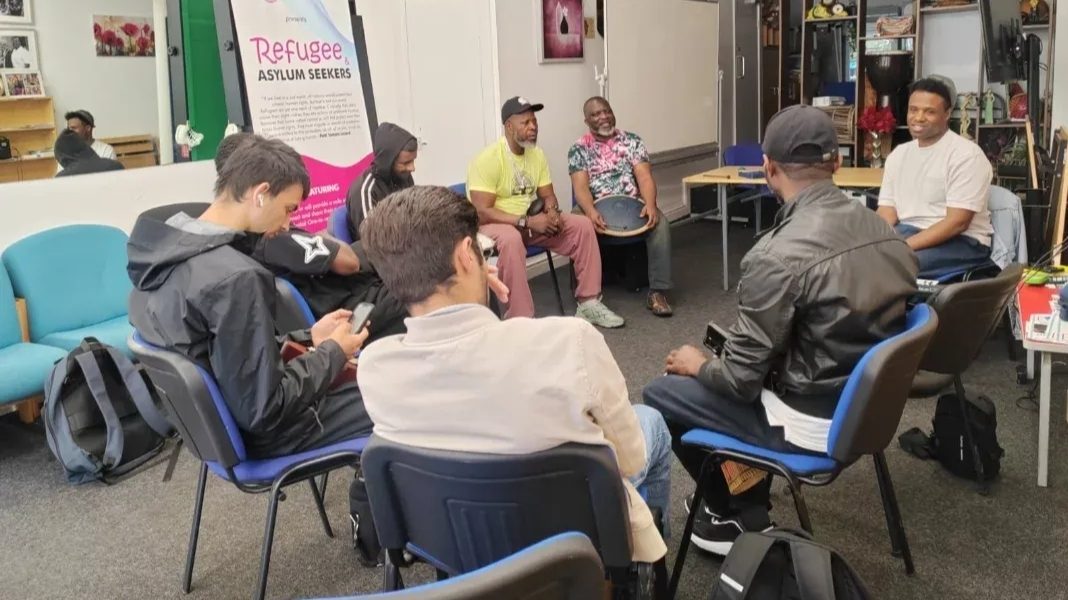
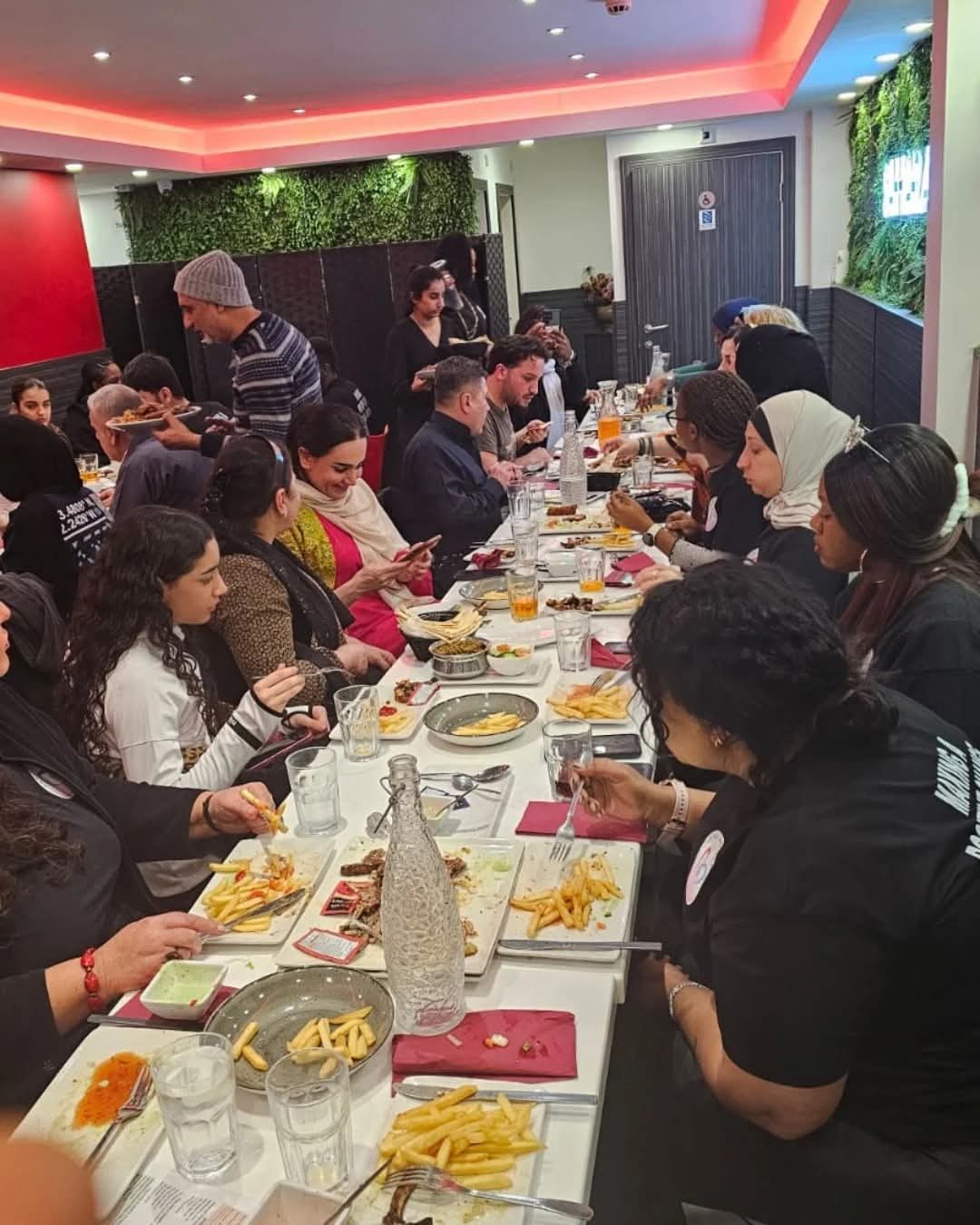
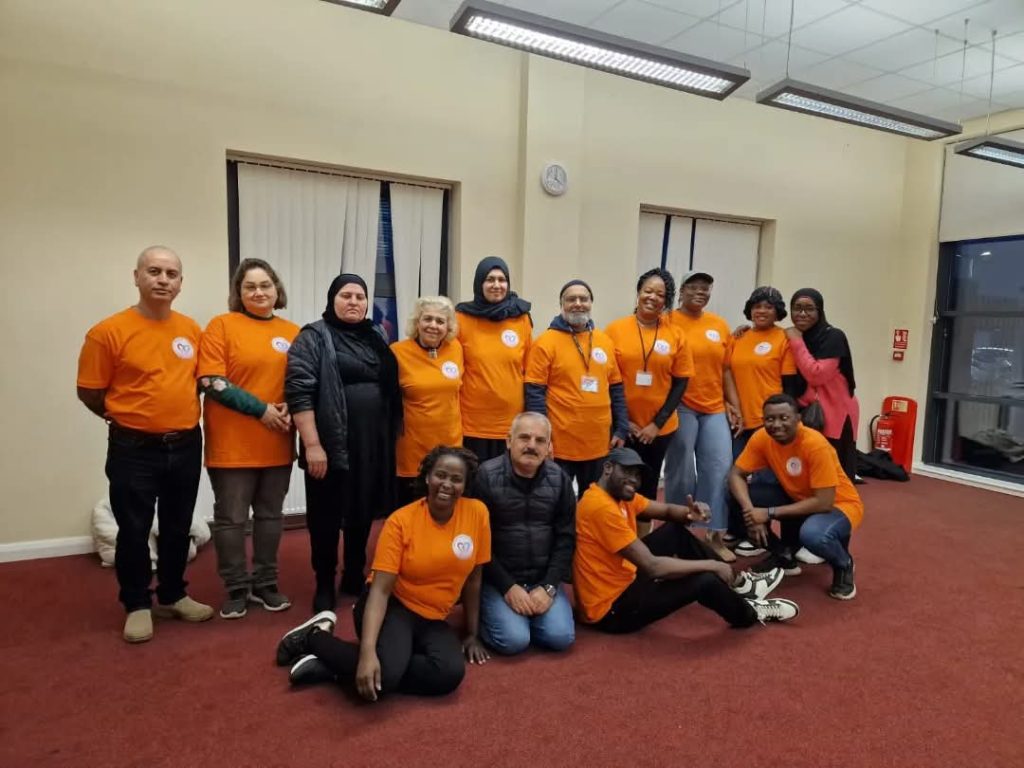
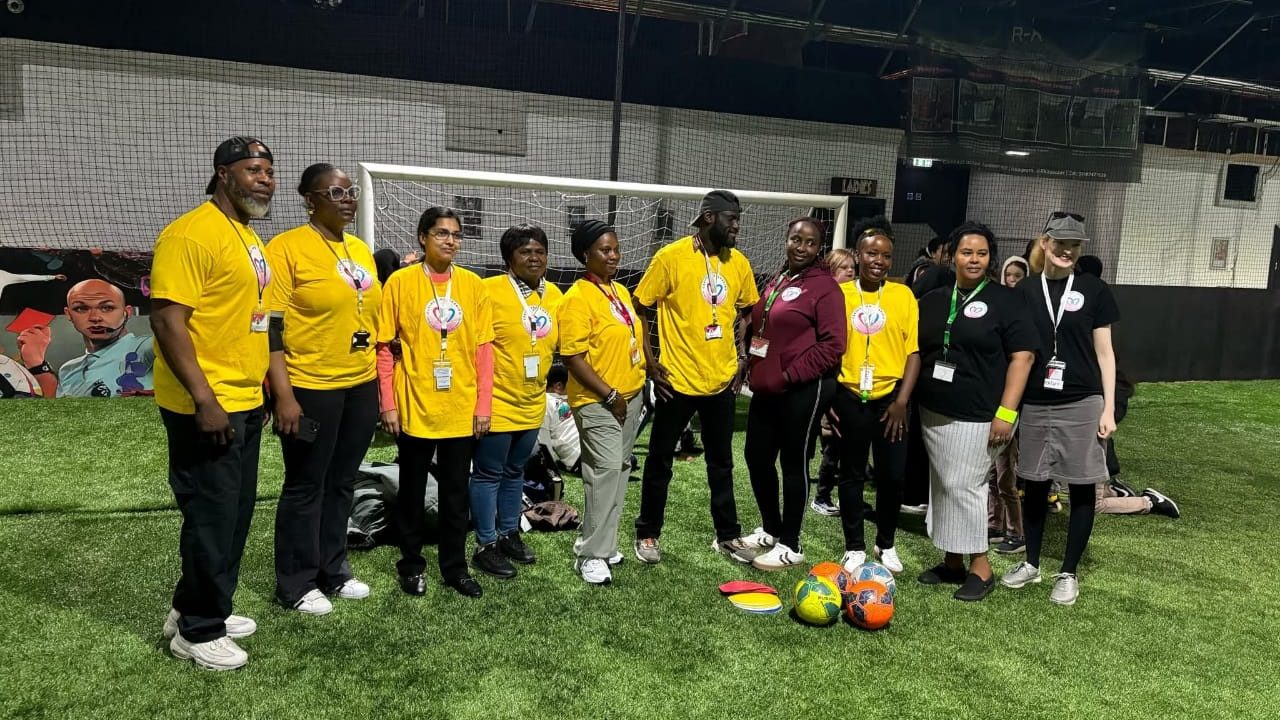
Caring and Sharing Rochdale’s VIP Over 50s Group collaborated with the Geller Institute of Ageing and Memory, and the University of West London on a research project exploring the experiences of African and African Caribbean communities living with memory problems and supporting more inclusive care.
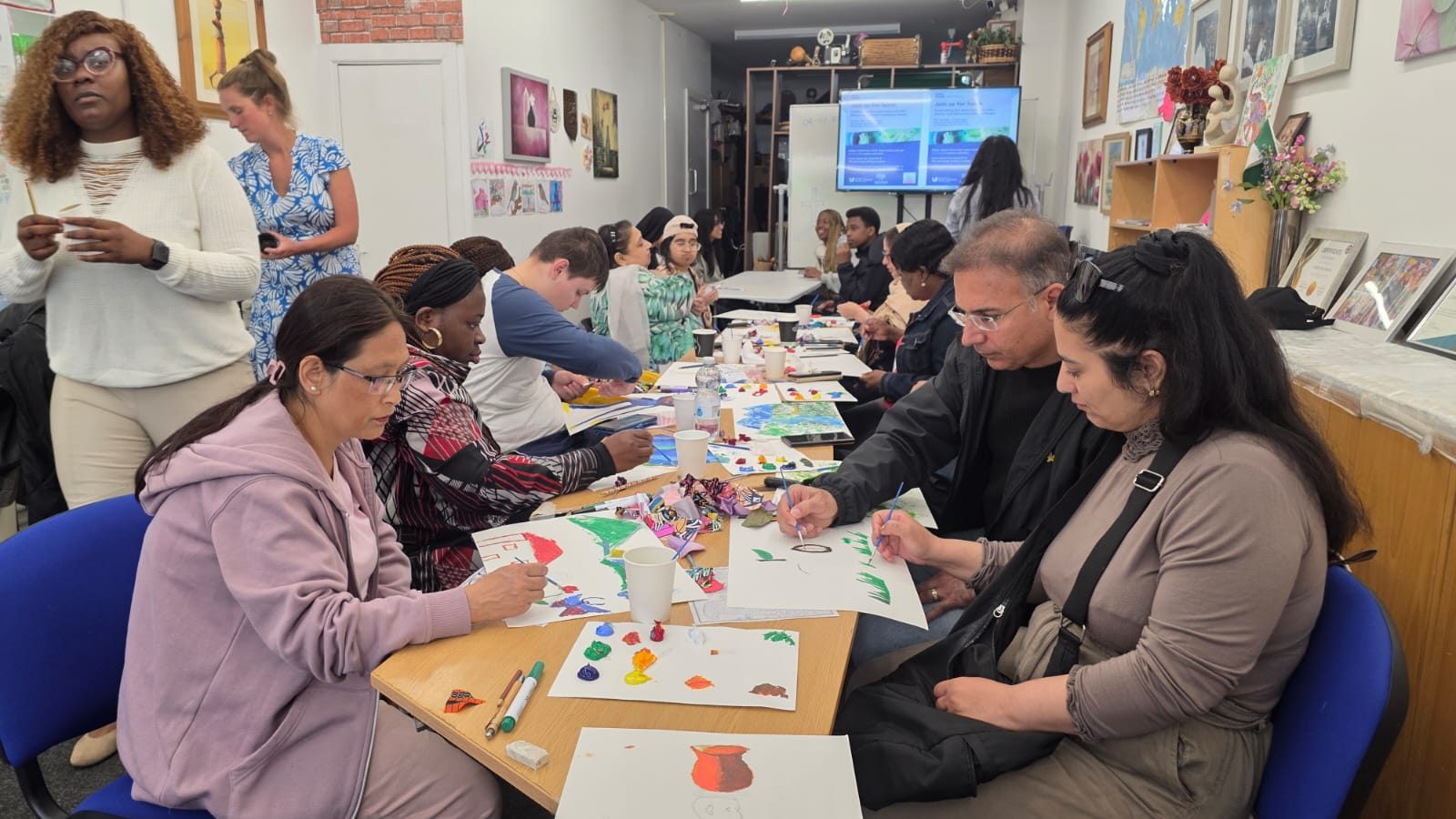
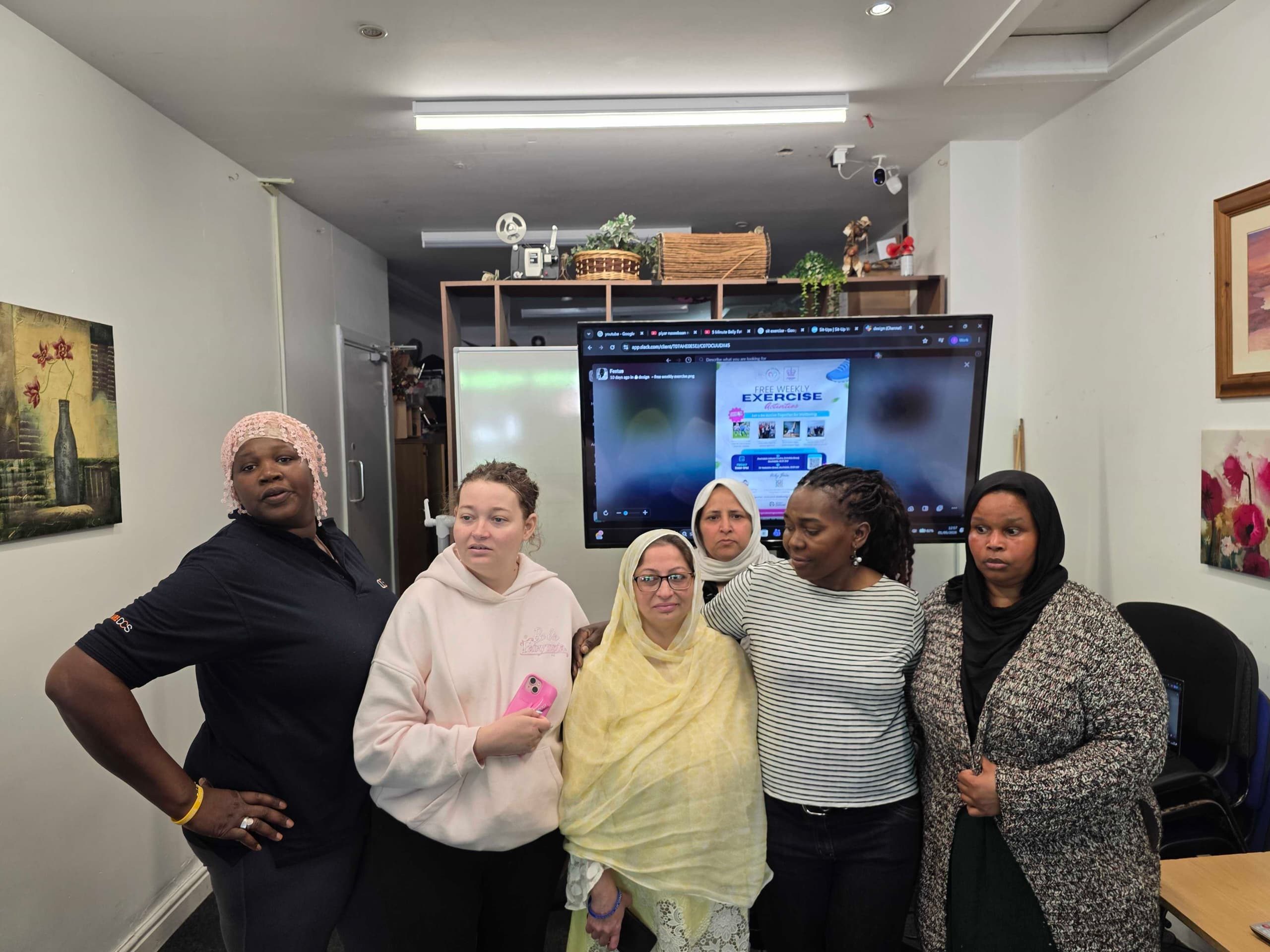
A community exercise session bringing people together through inclusive physical activity, promoting wellbeing, connection, and healthy living in a supportive environment.
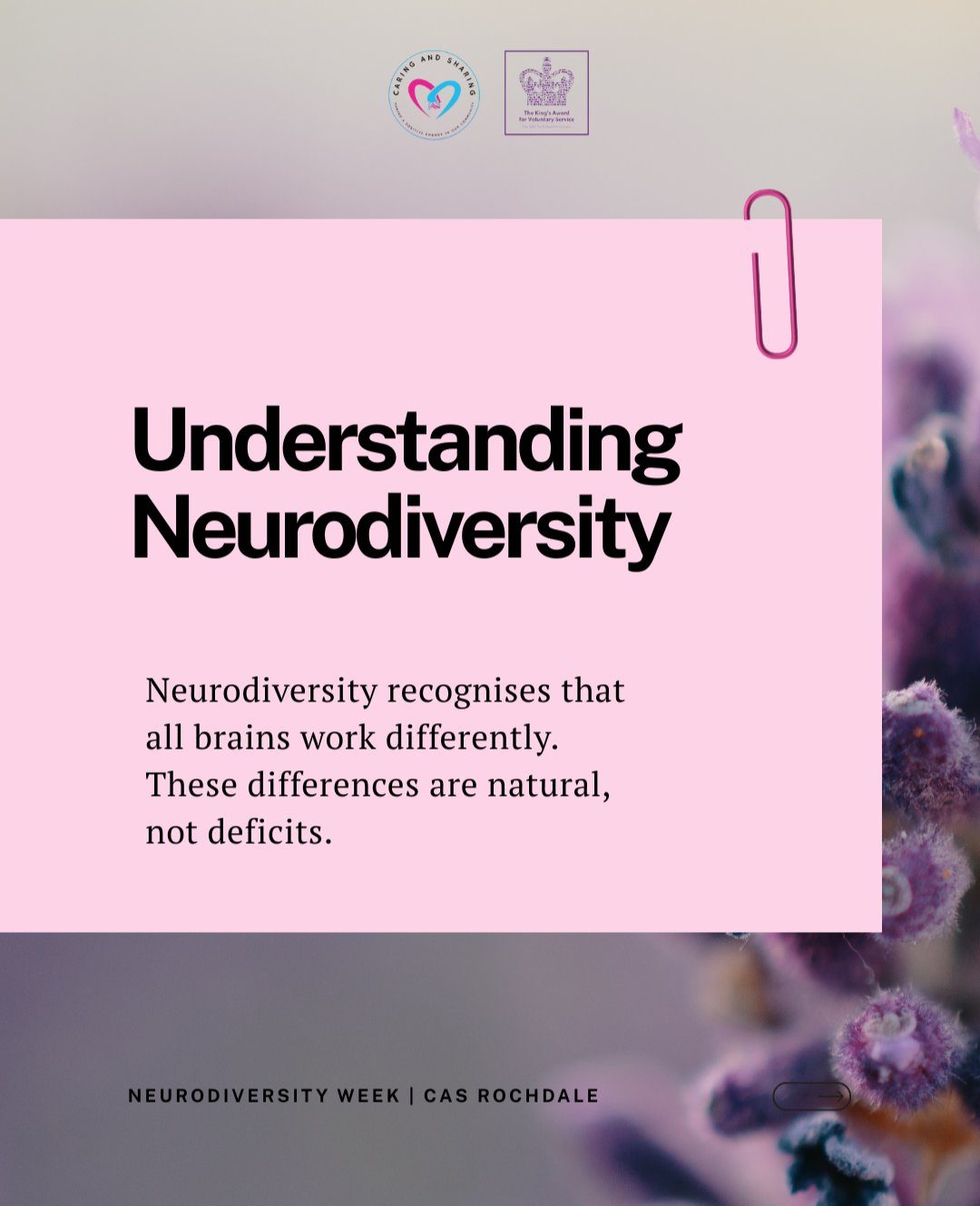
Caring and Sharing Rochdale explores neurodiversity Rochdale through reflections on inclusion, awareness, and building more supportive community spaces.
At Caring and Sharing, our mission is built on compassion, but compassion isn’t just something we extend outward. It’s something we practice inward, too.
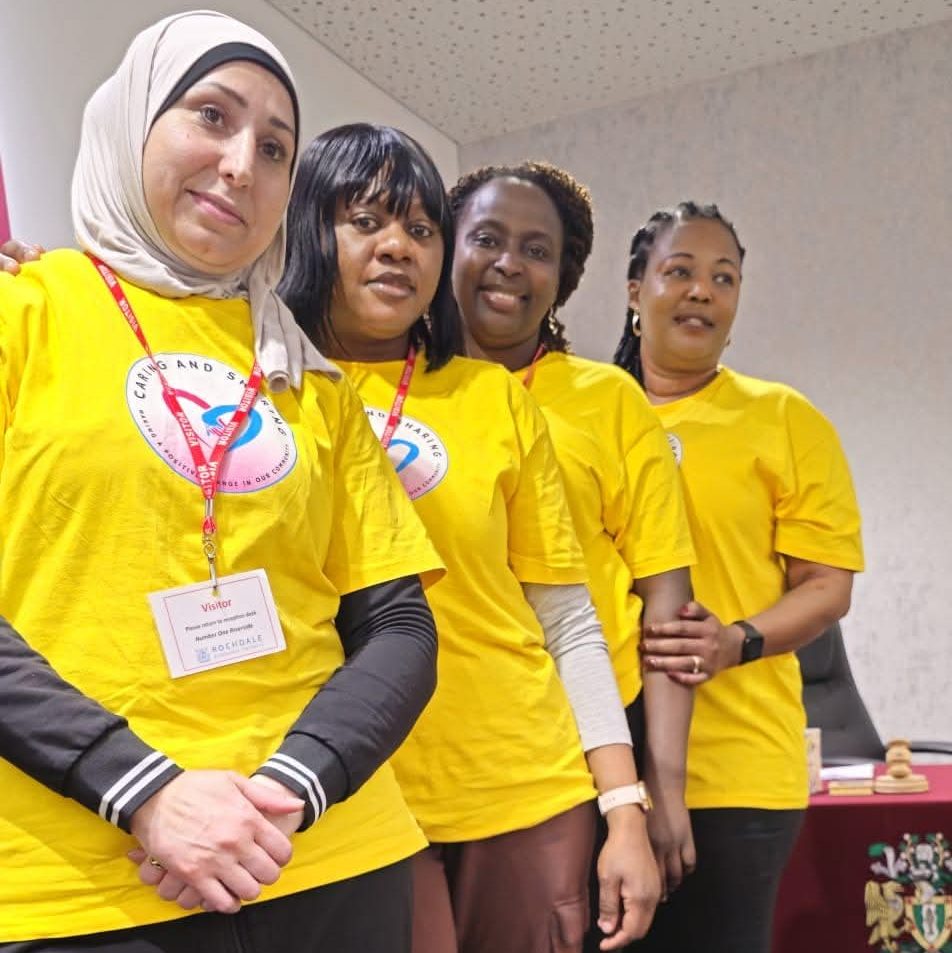
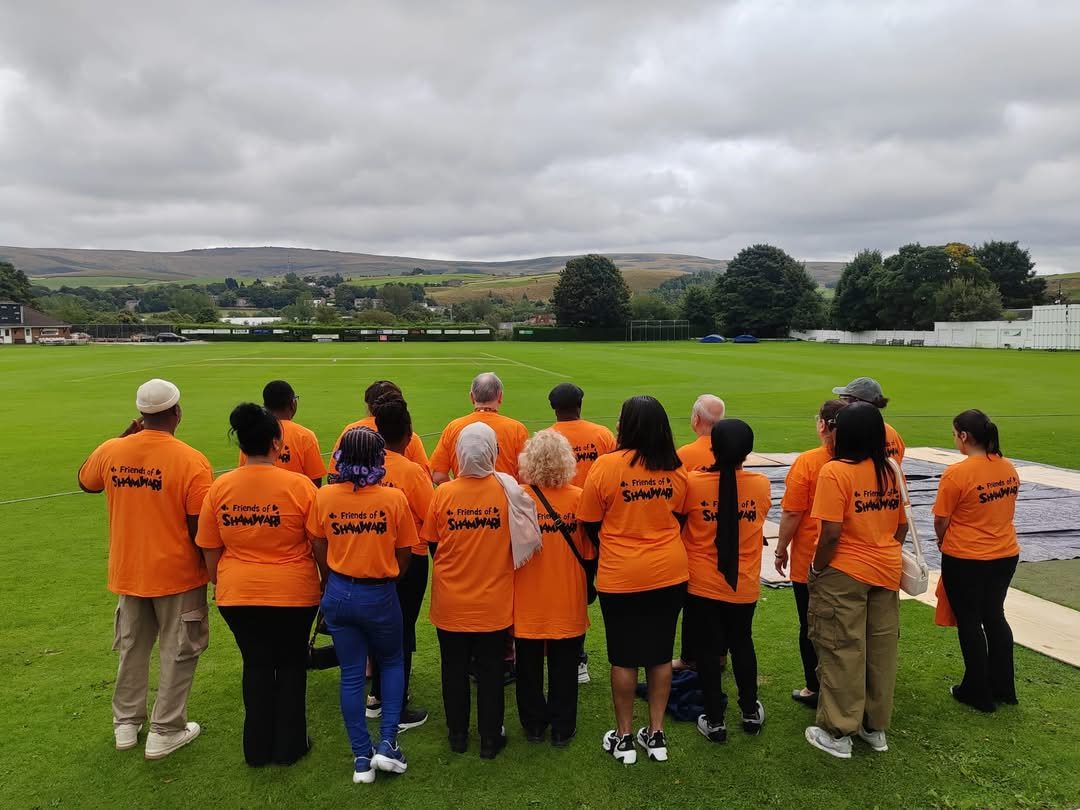
Every day, we walk alongside asylum seekers, refugee seekers, the BAME community, seniors, carers, and others who need a place of safety, solidarity, and support. Through immigration drop-ins, women’swellness sessions, digital skills classes, ESOL, and the beloved Friends of Shamwari, we hold space for healing, empowerment, and growth.
But in doing this life giving work, we’ve learned a difficult but necessary truth: If we don’t take care of ourselves, we won’t be able to take care of anyone else.
When Compassion Becomes Too Heavy to Carry Alone
Let’s be real: the emotional weight of community work is no joke. It’s not just the hours or the paperwork, it’s the stories we carry, the systems we navigate, the urgency we feel when someone’s safety is at stake. Even the most passionate among us can hit a wall.
But at Caring and Sharing, we’ve decided: burnout is not the price of making a difference. We’ve put intentional strategies in place to help our team stay grounded, protected, and energised, so we can keep doing what we do best, without burning out in the process.
How We’re Protecting Our People While Serving Our Purpose
Here’s how we care for ourselves as we care for others:
1. We Talk About It – Openly, Honestly, Often
We’ve created safe internal spaces where team members can say, “I’m struggling,” without fear or shame. Whether it’s during team meetings, informal chats, or reflection sessions, we encourage real talk about emotional health. Vulnerability isn’t a weakness, it’s a strength that keeps us connected.
2. We Honour Boundaries
We respect that our team members are whole people, not just roles or job titles. We encourage clear working hours, proper breaks, and taking time off when needed. Nobody is expected to be “on” all the time. We don’t glorify burnout, we shut it down before it starts.
3. We Prioritise Peer Support
There’s healing in shared experience. That’s why we’ve created relaxed spaces, like our monthly tea and chat circles where volunteers and staff can talk, decompress, or just sit in solidarity with one another. It’s not always about problem-solving. Sometimes it’s about simply being seen.
4. We Say No to Martyr Culture
Doing good shouldn’t mean running yourself into the ground. We actively challenge the narrative that says “the more exhausted you are, the more committed you must be.” We celebrate sustainability, not sacrifice. This work is a marathon, not a sprint.
5. We Invest in Our Own Wellbeing
We’re intentional about putting care resources in-house. That means making room for things like mindfulness practices, reflective supervision, access to counselling, and designated wellness time. These aren’t extras, they’re essentials.
6. We Celebrate Ourselves, Loudly and Often
It’s easy to focus only on the crises, but we’ve learned to pause and celebrate the wins, big and small. Whether it’s someone mastering basic English, a successful referral, or a heartfelt “thank you,” we take time to honour those moments. They fuel us. They remind us why we’re here.
Why This Matters
Because at Caring and Sharing, we know that our people are the heartbeat of this mission. Our staff, our volunteers, our community leaders, are essential. And so, we protect that. When helping starts to hurt, we don’t ignore the pain. We listen to it. We slow down. We regroup. We support one another. Because healing communities begins with healing ourselves.
So here’s our invitation to everyone doing this work with us: Take care. Speak up. Rest without guilt. Because when we thrive, our community does too. And that’s the future we’re building, together.
Volunteering is often associated with altruism and selflessness, but it also has numerous benefits for the volunteers themselves. At Caring and Sharing, we’ve witnessed firsthand the positive impact that volunteering can have on mental and social well being. Our organisation, dedicated to supporting asylum seekers, refugees, and vulnerable members of the community, relies heavily on the tireless efforts of our volunteers.
The Power of Volunteering
Research has shown that volunteering can have a profound impact on mental health, reducing stress, anxiety, and depression while increasing feelings of happiness and fulfillment. Socially, volunteering provides opportunities to meet new people, build relationships, and develop a sense of community and belonging.
Caring and Sharing Rochdale: A Hub of Community Activity
At Caring and Sharing, we offer a range of activities and services designed to promote community togetherness, and support vulnerable individuals. From ESOL classes to women’s wellness workshops, computer literacy sessions to free immigration advice, our organisation is a vibrant hub of community activity. Our volunteers play a vital role in helping us achieve our goals, supporting us in various departments, including:
ESOL classes: Volunteers assist with teaching and mentoring, helping learners build confidence in their language skills.
Women’s wellness workshops: Volunteers provide support and guidance, empowering women to take control of their physical and mental health.
Computer literacy sessions: Volunteers help learners develop essential digital skills, bridging the technology gap and enhancing employability.
Immigration advice: Volunteers provide administrative support, helping our advisors deliver critical guidance to those navigating the complex immigration system.
The Impact of Volunteering on Mental and Social Well-Being
Our volunteers have reported a range of benefits from their experience with Caring and Sharing Organization, including:
Increased confidence and self-esteem
Improved mental health and wellbeing
Enhanced social connections and community engagement
Development of new skills and experiences
A sense of purpose and fulfillment
Why Volunteer with Us?
Make a tangible difference in the lives of asylum seekers, refugees, and vulnerable members of the community
Gain valuable experience and skills in a supportive and inclusive environment
Meet like-minded individuals and be part of a vibrant community of volunteers
Enhance your CV and career prospects with a reputable organisation
What Kind of Volunteer Opportunities Are Available?
Administrative roles
Receptionist duties
Workshop attendant
Shop attendant
Join Our Community of Volunteers
If you’re interested in volunteering with us, we’d love to hear from you. Whether you can spare a few hours a week or a few days a month, your support will make a tangible difference in the lives of our service users. Not only will you be contributing to a valuable cause, but you’ll also be investing in your own mental and social wellbeing.
Contact us today to learn more about volunteering opportunities and join our vibrant community of volunteers.
Let’s get a bit scientific—have you ever heard of the term “symbiosis”?
In biology, symbiosis refers to a close, long-term relationship between different species where one or both parties benefit, and neither is harmed.
Now, let’s step out of the lecture hall for a moment and consider this: Have you ever felt that warm, fulfilling rush after helping an elderly person cross the road, giving a heartfelt compliment, or offering a small act of kindness?
If yes, then you’ve already tasted the magic we’re about to explore!
This article will uncover four powerful ways philanthropy can help you achieve mental and emotional balance.
Philanthropy encourages you to shift focus from your challenges to the needs of others. This perspective helps cultivate gratitude as you begin to appreciate your own life more deeply. By witnessing the struggles and resilience of others, you’ll often realize that your problems may be smaller than they seem—or just a different piece of the iceberg.
2. Boosted Self-Esteem and Confidence
Ever noticed how empowering it feels to make a difference? Helping others, even in small ways, can remind you of your strengths and reveal new abilities. It’s like discovering your inner superhero—you don’t need a cape to save someone’s day!
Volunteering or supporting a cause builds your sense of purpose and worth, leaving you with a renewed confidence that ripples into every aspect of your life.
3. Social Connection and Community Development
Philanthropy connects people. By volunteering or supporting causes, you engage with like-minded individuals from diverse backgrounds, creating bonds that transcend cultures and break social barriers. These interactions not only enrich your life but also foster a sense of belonging and strengthen community ties.
Giving to others can open your heart in unexpected ways. Acts of kindness often nurture empathy, which can help you release grudges, let go of past hurts, and embrace forgiveness. By focusing on uplifting others, you may find yourself shedding the emotional weights you’ve been carrying.
Conclusion
While philanthropy is often seen as selfless, it’s also deeply transformative for the giver. By embracing philanthropy, you can nurture gratitude, boost your confidence, build social connections, and experience emotional healing.
Start small, and let your heart lead the way—you’ll soon discover that giving is as much a gift to yourself as it is to others.
Have you experienced the positive impacts of philanthropy? We’d love to hear your story—share it with us and inspire someone today!, it can still be a fulfilling and transformative journey—one that benefits both the giver and the receiver.
Volunteering is a vital arm of charity, often celebrated as a noteworthy achievement. It has even become a key criterion for many employers when evaluating potential candidates for various positions.
However, while the benefits of volunteering are numerous, it’s easy to overlook its hidden challenges. Not everything that glitters is gold—sometimes, it’s like biting into a strawberry that’s not as sweet as it looks.
In some cases, organizations fail to uphold their commitments, leaving volunteers feeling let down. This article takes a deep dive into the less-discussed realities of volunteering: fatigue, undervaluation, and neglect, all from a volunteer’s point of view (POV).
1. The Energy Drain: When Volunteering Leads to Fatigue
While giving your time and energy to a cause can be deeply fulfilling, it can also be physically and emotionally draining. Volunteers often work in environments that demand significant emotional labor, such as assisting vulnerable populations or tackling devastating situations.
Overcommitting to a cause without establishing clear boundaries or practicing self-care can lead to burnout, compassion fatigue, and emotional exhaustion. For many, the drive to help others is so strong that they neglect their own needs, ultimately diminishing their capacity to serve effectively.
2. Feeling Undervalued: The Thin Line Between Service and Exploitation
Volunteering is a selfless act, but that doesn’t mean volunteers should feel unappreciated. Unfortunately, some organizations fail to provide the resources, structure, or support needed for volunteers to thrive.
This lack of recognition or adequate working conditions can leave volunteers feeling frustrated, undervalued, and inefficient. When their contributions are overlooked, volunteers may question their purpose, diminishing their motivation and ability to create meaningful impact.
3. Neglect and Isolation: When Volunteering Feels Unwelcoming
An inclusive and welcoming environment is critical for any organization, but unfortunately, some fall short. In organizations lacking diversity, individuals from minority groups can feel isolated or even neglected.
Imagine being part of a team where everyone else shares a similar cultural background and subtly (or overtly) excludes you. This lack of belonging can erode confidence, making volunteers feel unwelcome and questioning their role within the organization.
Volunteering, despite its challenges, remains a powerful way to contribute to the community and build personal growth. Yet, these realities—fatigue, undervaluation, and neglect—shouldn’t be ignored.
To create a positive and sustainable volunteering experience:
Do your homework: Research organizations thoroughly to understand their culture, policies, and support systems.
Communicate openly: Share your boundaries, needs, and expectations with the organization to ensure mutual understanding.
Seek training: Advocate for proper training and resources to prepare for your role effectively.
Find common ground: Look for shared interests with your colleagues, even in diverse teams, to foster connections and build camaraderie.
Volunteering may have its rough patches, but with thoughtful preparation and communication, it can still be a fulfilling and transformative journey—one that benefits both the giver and the receiver.
Previously known as the Queen’s Award, this esteemed recognition is awarded annually on King Charles III’s birthday to celebrate the remarkable contributions of charitable organizations to community development.
This year, CAS Rochdale proudly joins 281 other recipients, a testament to the power of dedicated service and our collective commitment to creating meaningful change.
(From L-R) Nicky Iginla – CEO, Caring and Sharing with Julie Durrant, MP Paul Waugh, John Shaw, Olla Iginla
A Tribute to Our Volunteers
This award is more than just an honor—it is a celebration of our incredible volunteers, both past and present, who have been the heartbeat of our organization. Their unwavering dedication, compassion, and hard work have made it possible for us to reach milestones we once only dreamed of.
Through their tireless efforts, we continue to make a difference, and this recognition is proof that every volunteer’s contribution matters profoundly.
Breaking Barriers and Building Impact
The King’s Award is not just about prestige; it is a reflection of the lasting impact volunteers have on communities. At CAS Rochdale, our volunteers have helped build bridges of hope, support, and resilience. They’ve brought smiles to faces, lifted spirits, and empowered individuals to rise above challenges. As noted by Mama Health and Poverty Partnership: “This award is the highest award any voluntary group can get. Well done, Nicky T. Olawoye Iginla, and your amazing team! A well-deserved award!“
This acknowledgment affirms that we are leaping beyond borders, touching lives, and inspiring a legacy of service.
Gratitude to Our Partners and Community
We extend our heartfelt gratitude to our incredible partners, who have stood with us every step of the way, amplifying our vision and mission.
To every individual and community member we’ve had the privilege to serve—you are the true essence of our existence. Your stories fuel our passion, and your resilience inspires us to keep pushing forward.
Looking Ahead
While this award marks a significant milestone, it is also a call to action to continue the work that matters most—empowering individuals, fostering inclusivity, and creating lasting change. Together, with our volunteers, partners, and supporters, we are excited to embark on new journeys of service and compassion.
Charity. Charity. A timeless act of giving that bridges hearts across centuries.
While charity has evolved over the ages, adapting to the needs of different eras, its essence remains unchanged: true empathy—not just stepping into someone’s shoes, but walking miles in them.
From the grand gestures of Pharaohs building temples and hospitals around 2613–2181 BCE to modern-day campaigns, acts of charity have stood as beacons of hope. While constructing monumental structures may be beyond reach for most, there are plenty of vintage-inspired, yet affordable, ways to make a difference today.
Here are some classic, meaningful, and budget-friendly ideas for giving back this season:
AI Image by freepik
1. Cloth and Shoe Drives
Are you itching for a wardrobe refresh but unsure what to do with your gently used clothes or shoes? Why not pass them on to those in need? This timeless initiative breathes life into vintage charity efforts, offering practical help to the less fortunate. You can organize a personal giveaway, or team up with organizations like Caring and Sharing Rochdale for a broader impact.
A simple yet powerful way to give—this practice brings nostalgia and goodwill together, reminding us of the power of sharing what we have.
2. Food Drives
Food donation has deep historical roots, dating back to medieval Europe when churches and monasteries shared provisions with the poor. To this day, food drives remain an enduring tradition—because as long as humans exist, hunger exists. Whether it’s canned goods, fresh produce, or homemade treats, donating food is a universally appreciated act of kindness.
Rally your friends, family, or community for a local food drive to share the love this season.
3. Knitting and Crocheting Circles
Want to make a tangible, heartfelt impact while indulging in a creative hobby? Look no further than knitting or crocheting. This vintage tradition gained momentum in 19th-century England, where people created items to support soldiers during wartime. Why not revive the magic? Gather friends who share your passion, and develop blankets for nursing homes, scarves for shelters, or tiny booties for newborns.
Every loop of yarn you weave not only warms someone physically but also emotionally. Plus, it’s a fantastic way to bond over a shared vision of kindness.
4. Antique Auctions
Do you love the thrill of discovery? Tap into your inner treasure hunter by collecting unique antiques or vintage art pieces to auction for charity. Proceeds from these sales can support causes close to your heart. And if collecting isn’t your thing, you can still participate as a buyer. By purchasing items from charity auctions, you’re contributing to change while giving timeless treasures a new home. This practice has historical roots dating back to the 17th century, combining adventure, art, and altruism in one exciting package.
5. Community Clean-Ups
This is where charity meets environmental stewardship. Volunteering for community clean-ups not only revitalizes public spaces but also fosters a sense of belonging among participants.
This initiative dates back to ancient Greece and Rome, where volunteers worked together to maintain city cleanliness. It re-emerged in 19th-century America as part of the growing environmental safety movement. Today, it’s an excellent way to connect with your community while protecting the planet.
AI Image by Freepik
Charity Through the Ages: Timeless Love, Modern Action
Charity transcends time, proving that the act of giving is as relevant now as it was centuries ago. Whether it’s donating clothes, sharing food, creating handmade items, auctioning treasures, or cleaning up your environment, there’s a vintage-inspired way for everyone to give back. This season, why not embrace one of these time-tested ideas? Let’s celebrate the spirit of charity—bridging the past and present to create a kinder, brighter future for all.